Family Event Planning Guide: Tips for All Ages

Family event planning is the process of organizing gatherings that create lasting memories by balancing budget, venue, activities, and logistics for every generation in the room. Whether you are coordinating a backyard birthday party or a full-scale family reunion planning effort spanning multiple states, the same core framework applies: define your goals, lock in your budget, choose the right venue, and build entertainment that works for a six-year-old and a sixty-year-old alike. This guide to family event planning breaks down each step with practical frameworks and expert-backed advice so you can spend less time managing chaos and more time actually enjoying the day.
What does a guide to family event planning actually cover?
Family event planning covers six core decisions: event type, budget, date, venue, activities, and logistics. Getting these six elements aligned before you send a single invitation is what separates a smooth gathering from a stressful one. Most families underestimate how early the process needs to start. Large reunions need 9–18 months of lead time for venue availability and complex coordination. That timeline gives you room to handle the unexpected without scrambling.
The standard industry term for this process is “event management,” and it applies whether your gathering has 12 guests or 120. The family context adds a specific layer of complexity: multigenerational needs, geographic spread, and the emotional stakes of getting it right. Treat your planning like a project with phases, not a single to-do list.
How do you set goals, budget, and a planning timeline?
Start with a one-sentence event goal. “We want a relaxed outdoor reunion for 40 family members to reconnect after three years” is a goal. “We want to have fun” is not. That single sentence drives every decision that follows, from venue size to catering style.
Building a realistic budget
A standard budget split allocates 40% to food, 25% to activities, 15% to venue, and 20% as a contingency fund. That contingency is not optional. Unexpected costs show up in almost every event, from last-minute rental additions to weather-related changes. Venue rentals for small groups typically run $300 to $1,200 or more depending on services included. Knowing that range upfront prevents sticker shock when you start making calls.
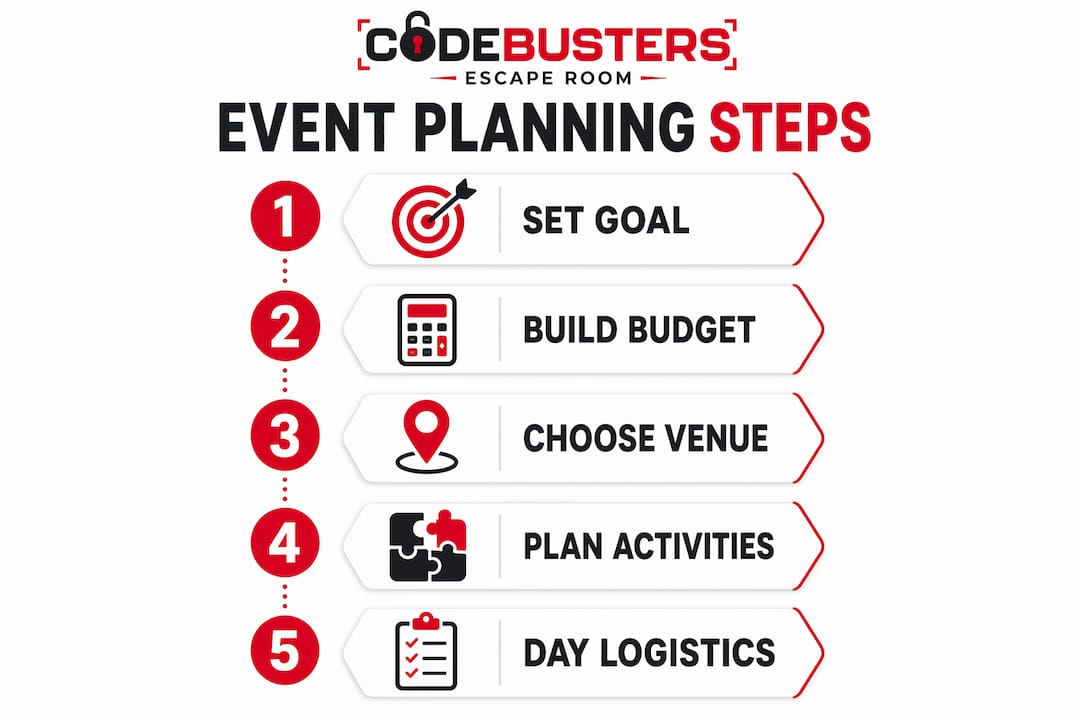
Use a shared spreadsheet or a free tool like Google Sheets to track every line item. Assign one person ownership of the budget document so numbers do not get duplicated or lost across email threads.
Pro Tip: Set your contingency fund aside at the start and treat it as spent. If you never touch it, you have a surplus. If you need it, you are covered.
Planning timelines by event size
| Event size | Recommended lead time | Key milestone |
|---|---|---|
| Small (under 20 guests) | 3–6 months | Venue booked 2 months out |
| Medium (20–60 guests) | 6–9 months | Invitations sent 3–4 months out |
| Large (60+ guests or multi-day) | 9–18 months | Venue and vendors confirmed first |
- Define your event goal before setting a budget
- Build in a 10–20% contingency fund from day one
- Use a shared digital document for budget tracking
- Match your lead time to your event size
How do you choose the right venue and date?
The venue decision shapes everything else. A park pavilion works for a casual cookout but fails for a formal milestone dinner. A hotel ballroom handles 80 guests with ease but may feel cold for an intimate family gathering. Match the venue to the tone of your event first, then check capacity and cost.
Key venue selection factors
Accessibility tops the list. If grandparents or young children attend, parking, restrooms, and step-free access are non-negotiable. Amenities like on-site catering, AV equipment, and climate control reduce the number of vendors you need to coordinate separately. Flexibility matters too. A venue that allows outside catering or extended hours gives you more control over the budget and the schedule.
Indoor venues offer climate control and predictability. Outdoor venues offer space, natural light, and lower cost, but require a weather backup plan. Always ask the venue about their cancellation and rescheduling policy before signing anything.
Picking a date that works for most people
Polling for “hard no” dates rather than preferred dates is the most efficient scheduling method for large groups. Preferences rarely align perfectly, but conflicts are concrete. Use a free polling tool like Doodle or a simple group text to collect hard no dates from key family members first, then choose from what remains.
- Confirm accessibility: parking, restrooms, step-free entry
- Ask about outside catering and extended hour policies
- Book the venue before finalizing the date publicly
- Always have a weather contingency for outdoor events
Pro Tip: Book your venue before you send invitations. Announcing a date you cannot confirm yet creates confusion and forces you to re-communicate.
What activities keep every generation engaged?
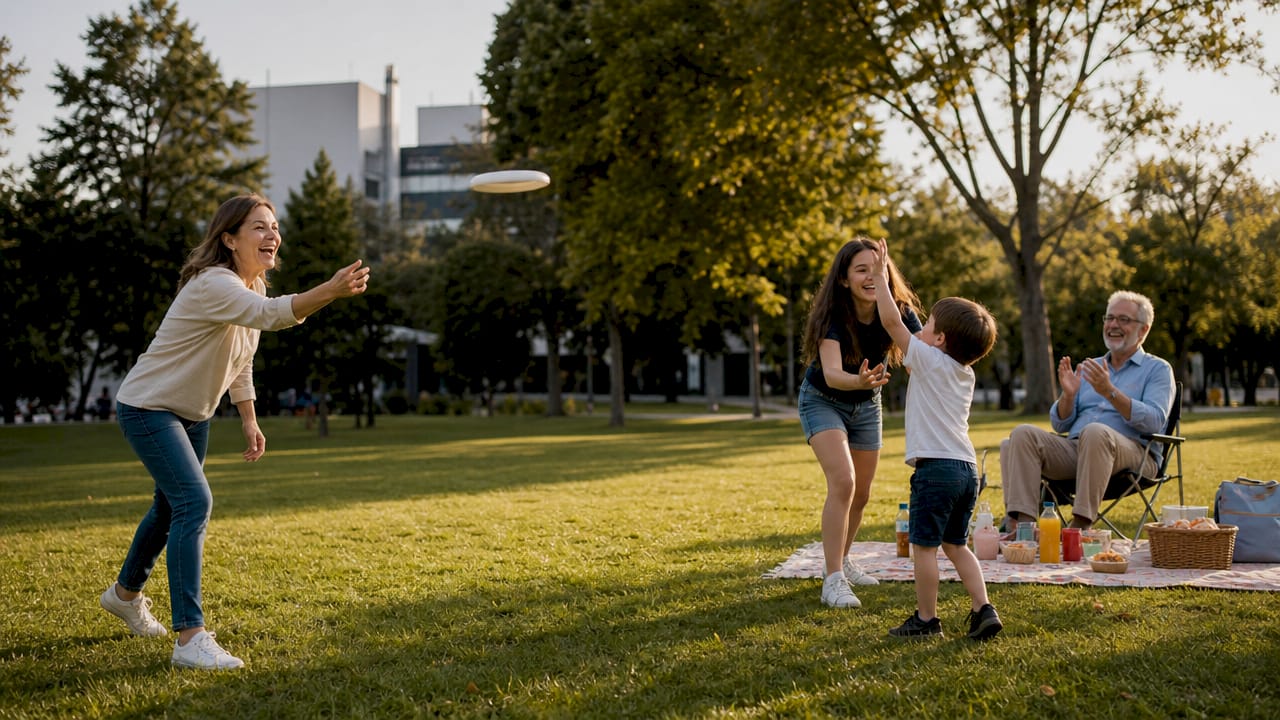
Entertainment that spans generations is the heart of any family celebration. Age-specific activities divide the group. Multigenerational activities build the shared memories that people talk about for years. The goal is not to entertain everyone separately but to create moments where a grandparent and a grandchild are laughing at the same thing.
Inclusive entertainment options
Live music works across every age group because it requires no participation and rewards it equally. Lawn games like cornhole, bocce ball, and oversized Jenga are physical enough for kids and low-impact enough for older adults. Photo booths with props create a shared activity that doubles as a keepsake. Interactive group challenges, including puzzle-based experiences, give families a shared goal that builds connection fast.
Check out this family activities checklist to map activities against age groups before you finalize your program. For structured group entertainment ideas, a fun group activities checklist covers options for gatherings of every size and occasion.
Balancing structured and free time
Over-programming is a real risk. Back-to-back scheduled activities leave no room for the organic conversations that families actually remember. A good rule: plan structured activities for 50–60% of the event and leave the rest as open social time. Structured time gives the event energy. Free time gives it warmth.
Pro Tip: Assign one person to run each activity station. When someone owns it, it happens. When no one owns it, it quietly disappears from the schedule.
How do you manage communications, invitations, and day-of logistics?
Clear communication prevents the most common family event failures. Send invitations 3–4 months before the event, confirm final headcount with vendors 4 weeks out, and send a reminder 2 days before. That three-step cadence keeps everyone informed without flooding inboxes.
Forming a planning committee
A planning committee of 2–4 people sharing duties prevents decision paralysis. One person must hold final authority for quick decisions when the group cannot reach consensus. Without that structure, small decisions stall and create bottlenecks. Assign roles clearly: one person handles food and catering, one handles activities and entertainment, one manages communications and RSVPs.
Group coordination for parties requires the same discipline as any project team. Treat your committee like one.
Day-of logistics checklist
- Confirm venue setup time and access with the venue manager
- Verify all vendor arrival windows the day before
- Assign a point person at the venue for vendor questions
- Confirm dietary restrictions are reflected in the catering order
- Brief all committee members on the schedule and their specific roles
Digital RSVP tools support coordination but cannot replace human accountability. Someone must own the final headcount and communicate it clearly. For groups of 40 or more, a dedicated RSVP platform reduces errors and makes follow-up easier.
Pro Tip: Confirm all vendor details, including AV equipment and setup logistics, at least one week before the event. Last-minute surprises at this stage are almost always avoidable.
Key Takeaways
Successful family event planning requires early commitment to a clear goal, a realistic budget with contingency funds, and a small accountable team that owns each area of execution.
| Point | Details |
|---|---|
| Start with a clear goal | One sentence defining event type, tone, and size drives every planning decision. |
| Budget with a contingency fund | Allocate 10–20% as a buffer; split remaining funds across food, venue, and activities. |
| Match lead time to event size | Large gatherings need 9–18 months; small events need at least 3–6 months. |
| Choose multigenerational activities | Shared experiences like live music and group games build memories across all ages. |
| Assign clear ownership | A committee of 2–4 people with one lead prevents delays and decision paralysis. |
What I have learned from planning family events
The single biggest mistake families make is treating the planning process as a democracy. Every decision goes to a group vote, every preference gets equal weight, and the result is an event designed by committee that satisfies no one fully. The most memorable gatherings I have seen come from a small, decisive team that made clear choices and committed to them.
Early planning is not just about logistics. It is about protecting your own enjoyment of the event. When you book the venue six months out and lock in vendors early, you stop managing crises and start looking forward to the day. That mental shift matters more than people realize.
Entertainment is where families consistently underinvest. They spend months on catering decisions and 20 minutes on activities. The food gets eaten and forgotten. The moment a three-generation team solves a puzzle together or wins a lawn game in the final round gets retold at the next gathering. Invest in the experience, not just the meal.
The other lesson: stop trying to please everyone on every decision. Polling for hard no dates instead of perfect dates is a small tactical shift with a huge payoff. It moves the conversation from “what does everyone want” to “what can everyone live with,” and that is a much faster path to a decision.
— CodeBusters
An experience worth adding to your family event
Planning the logistics of a family gathering takes real effort. The payoff comes when you give everyone something genuinely memorable to do together.
Codebustersescaperoom in Colorado Springs offers private, themed escape room experiences built for exactly this kind of group. Rooms like “Stranger 80’s” and “Past to the Future” are designed for different group sizes and skill levels, making them a natural fit for multigenerational families who want more than a meal and a playlist. Codebustersescaperoom is veteran and family owned, with award-winning experiences and private room bookings available for groups who want a shared challenge at the center of their event. If you are building a family event around connection and fun, an immersive experience gives you both.
FAQ
How far in advance should I start planning a family event?
Small events need 3–6 months of lead time, while large or multi-day reunions require 9–18 months to secure venues and coordinate vendors.
What is the best way to pick a date for a large family gathering?
Poll family members for “hard no” dates rather than preferred dates. Conflicts are concrete and easier to work around than aligning everyone’s ideal timing.
How should I split a family event budget?
A standard budget split puts 40% toward food, 25% toward activities, 15% toward the venue, and 20% as a contingency reserve.
What activities work best for multigenerational family events?
Live music, lawn games, photo booths, and group puzzle experiences work across age groups because they invite participation without requiring it. These multigenerational activities build shared memories that last beyond the event itself.
How many people should be on a family event planning committee?
A committee of 2–4 people with clearly assigned roles and one designated lead is the most effective structure. One person must hold final decision authority to prevent delays when consensus stalls.